6 Days Kilimanjaro Umbwe Route

The most challenging path to Kilimanjaro’s summit

Loading available options...

Overview

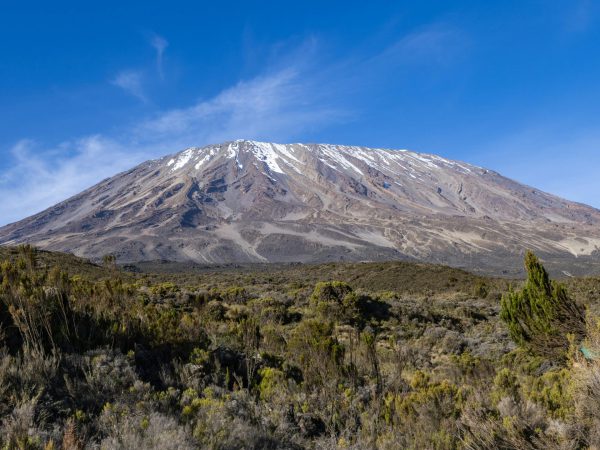
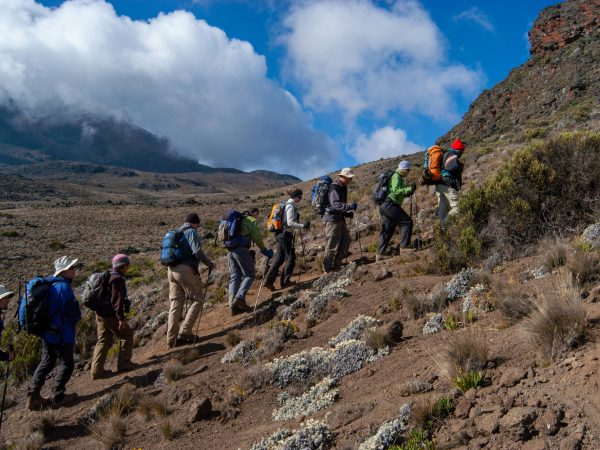
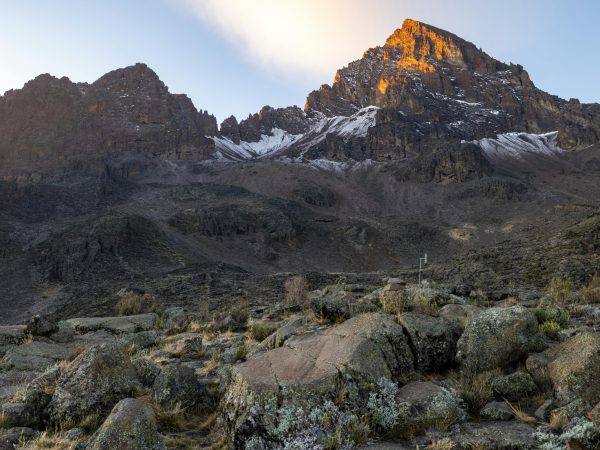
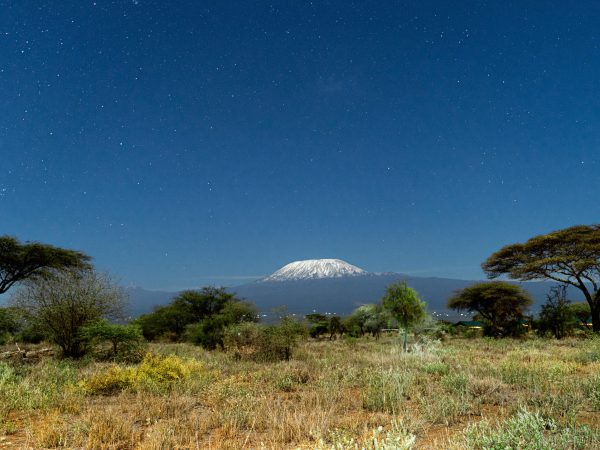
    The 6 Days Kilimanjaro Umbwe Route is one of the most challenging and scenic paths to the summit of Mount Kilimanjaro. Known for its steep and direct approach, the Umbwe Route offers trekkers a shorter, more intense climb compared to other routes, making it ideal for experienced hikers seeking a true adventure. Along the way, hikers traverse lush rainforest, rugged cliffs, and open moorlands, witnessing breathtaking views of the surrounding valleys and Kibo Peak. The route’s compact itinerary emphasizes acclimatization and stamina, providing a unique, less crowded experience while still rewarding climbers with the unforgettable sense of achievement upon reaching Uhuru Peak.
    Read more

    Highlights

    • The steepest and most direct route on Mount Kilimanjaro, designed for experienced and adventurous climbers
    • Remote and quiet trail offering a raw, less crowded wilderness experience
    • Rapid ascent through dense rainforest into rugged alpine landscapes
    • Dramatic scenery with narrow ridges, deep valleys, and challenging terrain
    • Connects with the Barranco route after the first days for acclimatization support
    • High physical challenge, making it ideal for fit and determined trekkers
    • Summit via Uhuru Peak, followed by a descent through the scenic Mweka route

    Includes/Excludes

    • Park fees (National Park entry, camping/hut fees, rescue fees).
    • Professional guides and porters (usually one guide per 2–3 trekkers).
    • Accommodation on the trek (tents at campsites).
    • Meals (breakfast, lunch, dinner) during trekking days.
    • Hot drinks and snacks during trekking.
    • Camping equipment (tents, dining tents, chairs, tables).
    • Emergency evacuation support if needed.
    • Transportation from your hotel or Arusha to the trailhead and back.
    • Tips for guides and porters.
    • Personal trekking gear (sleeping bags, trekking poles, jackets).
    • Travel insurance and medical evacuation coverage.
    • Flights to Tanzania.
    • Beverages outside provided meals, such as bottled water or soda.
    • Visa fees for entry into Tanzania.

    Itinerary

    Day 1: Drive to Umbwe Gate to Umbwe Camp

    Our team headed by Mountain guides will meet you at your hotel for short brief and equipment check then pick you with all equipment drive towards Umbwe Gate of Kilimanjaro Park. This entrance, set at 1,640m above sea level, is where your climb begins. The head-guide will confirm the permits and registration for search and good services.

    As your first day hiking is intended to take you to Umbwe Camp for your first KilimanjaroMountain overnight. Uphill up to 2,930m is a long pull with aimportant increase in altitude, so find the right step for the full group and stick with it. Because this part of Umbwe route goes over tropical forest with its chance of rain – don’t forget raincoat for Kili Climb. Your help crew will prepared the camp and dinner for you right at the time.

    Don’t use any alcohol and minimize caffeine taking and suggested to drink over 4 litters of water bottle by bottle.

    Day 2 Hiking from Umbwe Camp to Barranco Camp

    Early morning wakeup by Guides, taking your breakfast and then begin climbing to Barranco Camp. The tropical forest will fast give way to encounter, and if it is not much cloudy you might see Meru Volcano for the first time. Climbing through Umbwe route on this day will berestrained length, and at a lunchtime you shallarriveat Barranco (3,900 m), which is settled inside a huge volcanic burden. Lunch will be offered here then you have the chance to relax for the rest of this day, which meaningfully facilitates the adaptation process.


    Change in Elevation: 1600 m —3,900 m

    Hiking distance: 6 km

    Hiking time: 4–5 hrs

    Day 3: Climbing from Barranco to Karanga Camp

    After early breakfast you will start summiting Barranco Wall (we suggest you leave the camp early morning to avoid masses of the other climber groups). Climbing up the gorge wall is not hard and only takings about an 1hour. After the climb you might have a rest and capture photos in front of Kibo volcano.


    After a bit rest you will start harder hike to Karanga Camp, which structuresmanyclimbs and descents in the route, but don’t fear: our guides are professionals at picking an optimal pace for the group. Once you arrive at the camp you will be provided warm lunch. Then after some of hours you should have to complete an acclimatization climbat the direction of Barafu Camp with a 200mincrease in altitude, and then hike downback to the camp.


    Trekking from Barranco Camp to Karanga Camp:

    Change in Raise: 3,900 m —3995 m

    Hiking distance: 6 km

    Hiking time: 4–5 hours


    Acclimatization hike:

    Change in Raise: 3995 m— Destination point en route to Barafu Camp (4,270 m)

    Hiking distance: 2.5 km

    Hiking time: 1–2 hours

    Day 4: Climbing from Karanga Camp to Barafu Camp

    After breakfast you will start a climb to Barafu Base Camp (4,673 m), the preliminary point for a night summiting Kilimanjaro Uhuru Peak (5,895 m). Our crew will set up a camp for you gaining of time, with tents and sleeping bags, so you will relax and chill waiting for a summiting night. Then after salvage strength, you should to complete an acclimatization climb towards the middle Kosovo Summit Camp (4,800 m) and then walk back to Barafu, there you will be served a hot dinner. It is better to spend the rest of the dayand have enough sleep before night summiting.


    Trekking from Karanga Camp to Barafu Camp:

    Change in Elevation: 3995 m —4,673 m

    Hiking distance: 6 km

    Hiking time: 4–5 hours


    Acclimatization climbs:

    Change in Raise: 4,673 m —4,800 m

    Hiking distance: 2 km

    Hiking time: 1–2 hrs

    Day 5: SUMMIT DAY; Hiking to Uhuru Peak and Descent to Mweka Camp.

    This day is memorable day.

    Climbers will depart Barafu Camp and the altitude of 4,673 m midnight. At this night you will climb to 5,895 m at the highest point of Africa, Uhuru Peak. The altitude postures a task on this hike, in spite of the relative comfort of the walk. Every two trekkers in the group will be convoyed by a mountain guide whose responsibility is the constant monitoring of their fitness for the hike. Upon arrival Uhuru Peak you can take to pace on one of Kilimanjaro glaciers. The group shall then decent to Barafu Camp for a 2-hour relax before descent to 3100 m at Mweka Camp.

    Kindly note, while descent fetches release from high altitude, it’s also where most accidents (as much as 90%) occur. It is easy to avoid dropping and perhaps breaking a limb, as well as damaging your toenails if you just mind your step.


    Change in Raise: 4,673 m – Uhuru Peak (5,895 m) — Mweka Camp (3,100 m)

    Hiking distance: 15 km

    Hiking time: 8–12 hrs

    Day 6: Descent from Mweka Camp to Mweka Gate to Arusha

    Mweka Camp is seated among a rain forest. Lower altitude and the related release from any effects of altitude sickness, as well as the recognition of having achieving you goal make for anupright night’s sleep. Climbers shall set out on the last leg of the trekkingto Mweka Gate Park exit (1,650 m) upon finishing breakfast. This will be your last opportunity to share memories of the climb with your guides and support crew. You will berewarded your green certificates of achievement at the gate before driven back to your Hotel or Airport to catch your flight to your next destination.


    Change in Raise: 3,100 m — Mweka Gate (1,650 m)

    Hiking distance: 10 km

    Hiking time: 3–4 hours

    You might also like...